

WHY CHOOSE TAMWORTH PORK?
Rare-breed Tamworth pork, pasture-raised on our Miami County farm. Honest about how it's raised, unforgettable on the plate.
Raised outdoors at a natural pace, richer in vitamin D and real flavor, free of the additives that prop up confinement, and grown on land we work to improve a little more every day. It's pork with peace of mind on the side: better for your table, and better for the ground it came from.
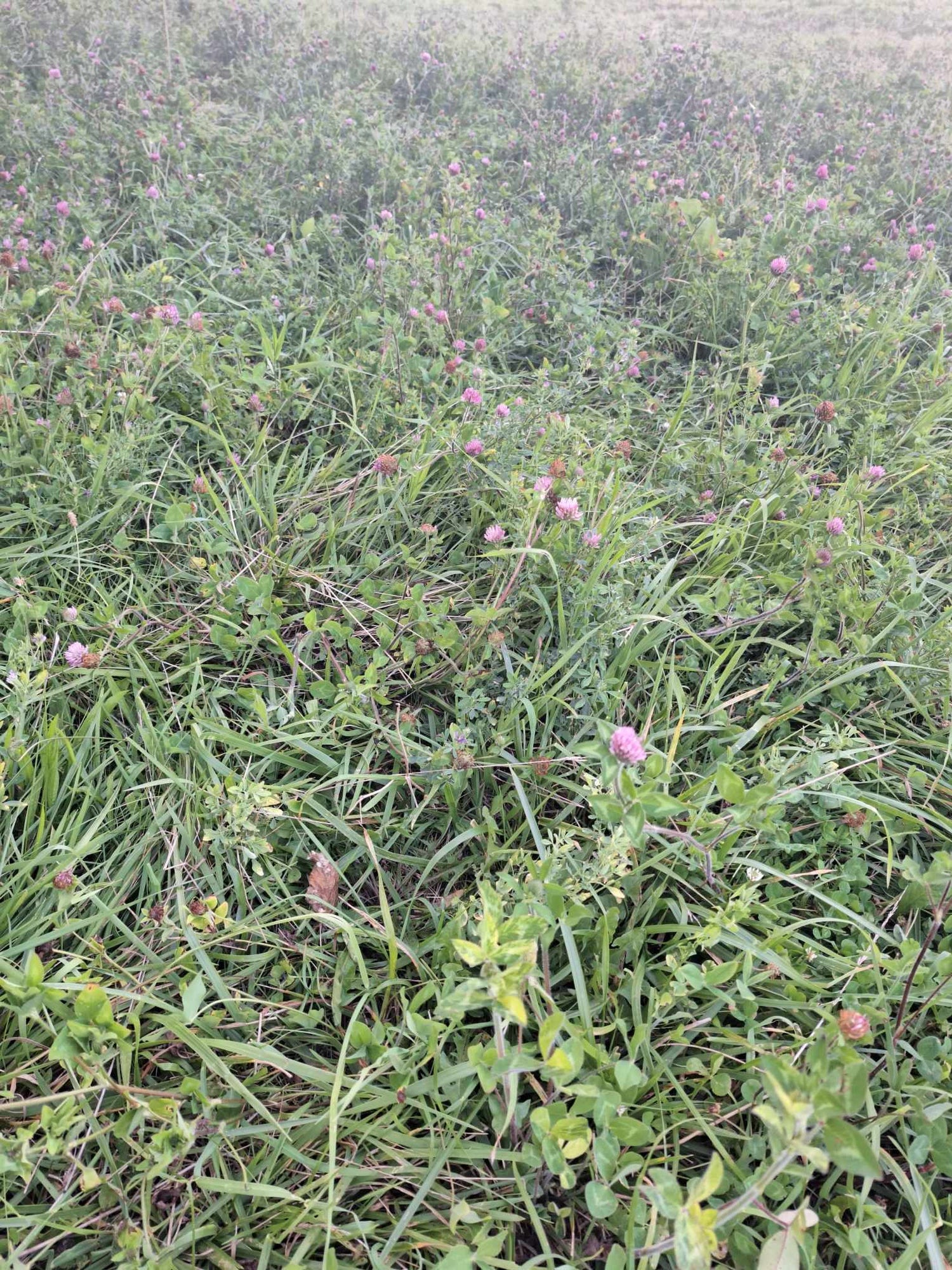
A Natural Diet Matters:
Pasture-raised pork is exactly what it sounds like: pigs living outdoors with room to root, forage, and wallow, the way hogs have for centuries. Conventional pork, by contrast, usually comes from animals raised indoors in confinement barns — standing on slatted floors they never leave, fed nothing but commodity grain. But here's an honest distinction worth making up front: pigs aren't grazers like cattle. They're omnivores and natural foragers, so a pig's "natural diet" was never grass alone — it's the roots, forage, and mast they find outdoors, rounded out with good feed. The real difference isn't grass versus grain. It's outdoors and varied versus confined and bare — and that's where everything else begins.

Better Fat, Not Less Fat
We won't tell you our pork is lean — heritage pork is the opposite, and that's exactly the point. Tamworths are a marbling breed, and that intramuscular fat is where the flavor and the juiciness live. What matters isn't how much fat, but what kind. Pigs raised outdoors in sunlight, moving and foraging all day, develop a richer, better fat than animals finished in a barn. Unlike the lean grocery-store pork bred to be "the other white meat," ours tastes the way pork is supposed to. Real fat, from a real life outdoors, is a feature here — never a flaw.

Richer in Vitamin E and Omega-3s:
Time on pasture does more than build flavor. Compared with pork from grain-only confinement systems, pasture-raised pork tends to run higher in vitamin E and in omega-3 fatty acids — the good fats tied to heart and brain health. It isn't grass-fed beef, and we won't pretend the numbers are identical — but a life lived outdoors leaves its mark on the nutrition, too.

More Vitamin D — Straight from the Sun:
This is the one a confinement barn can never match. Pigs make vitamin D from sunlight, the same way we do — and hogs raised indoors, under a roof their whole lives, simply don't get it. Ours are outdoors every single day, and pasture-raised pork has been shown to carry meaningfully more vitamin D than its confinement-raised counterpart. You can't get sunshine from a barn.

No Hormones, No Routine Antibiotics:
Our hogs are never given growth hormones, and never routine antibiotics mixed into their feed — none of the additives that keep crowded confinement barns running. (By law, no pork in America may be raised with added hormones — but a great deal of it is raised on daily, low-dose antibiotics simply to survive close quarters. Ours don't need them, because they aren't living in close quarters.) What you carry home is pork, and nothing else.

A Natural, Unhurried Pace:
Tamworths earned their old nickname, "the bacon pig," by growing slow. Where confinement hogs are pushed to market weight as fast as feed can get them there, heritage pigs take their time — and that unhurried pace is exactly what builds the marbling, the texture, and the deep flavor you simply can't rush. Slower isn't a drawback here. It's the whole recipe.

Taste You Can't Fake:
Beyond all of it, this is pork the grocery store forgot how to make: darker, richer, marbled, and full of flavor that only comes from a varied life outdoors. "The other white meat" was never this. Cook one heritage chop or fry a pan of this bacon, and the shrink-wrapped kind never quite measures up again.

Environmental Considerations:
Raised right, pigs leave the land better than they found it. We move ours across the pasture so their natural rooting breaks up tired ground and works organic matter back into the soil — the same regenerative approach we take with our cattle. Choosing pasture-raised pork from a farm like ours supports healthier soil, a livelier ecosystem, and a way of farming meant to be handed to the next generation in better shape than we received it.